𝔻𝕀𝔻 𝕐𝕆𝕌 𝕂ℕ𝕆𝕎? 🤔
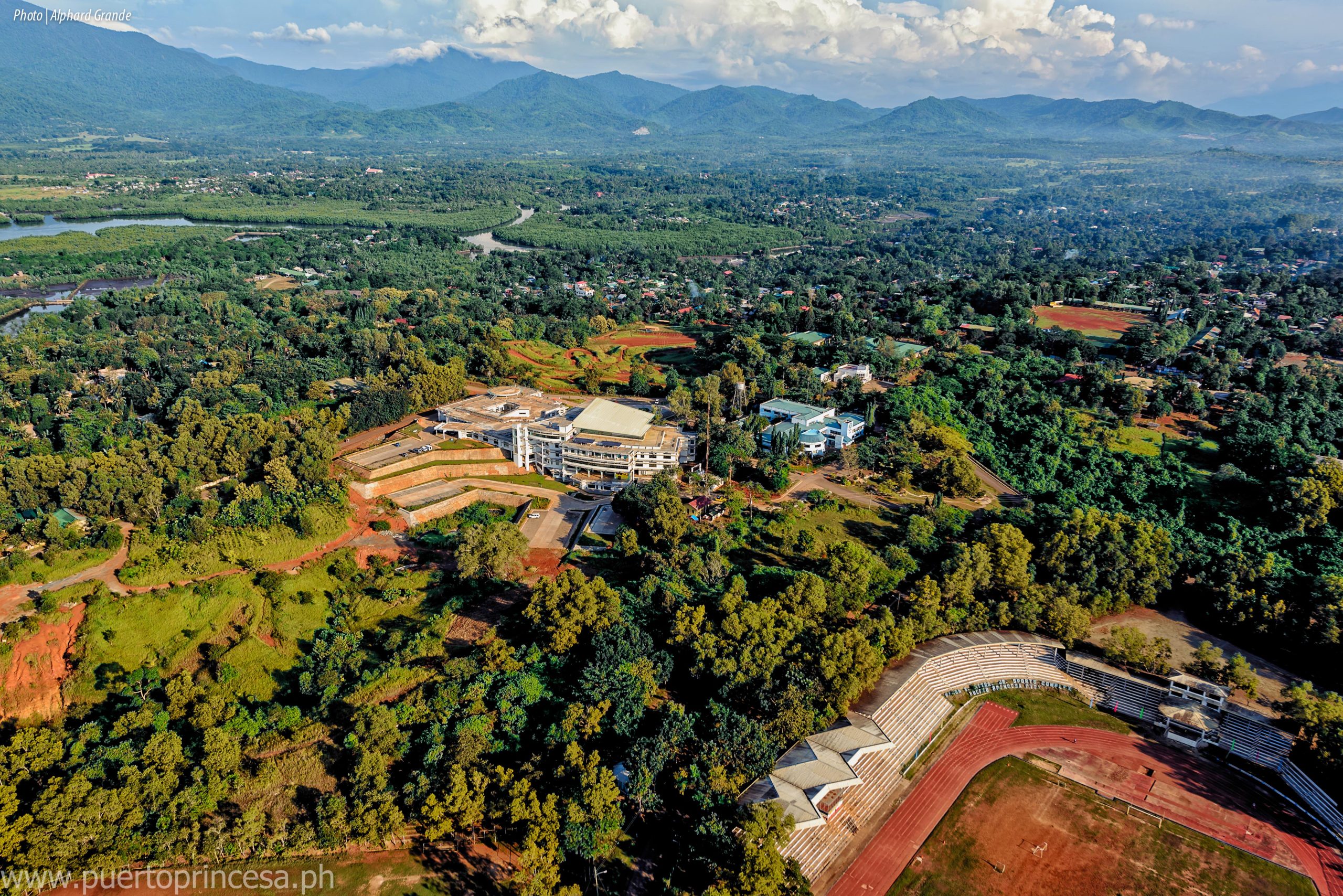
𝐏𝐮𝐞𝐫𝐭𝐨 𝐏𝐫𝐢𝐧𝐜𝐞𝐬𝐚 𝐢𝐬 𝐭𝐡𝐞 𝐨𝐧𝐥𝐲 𝐇𝐢𝐠𝐡𝐥𝐲 𝐔𝐫𝐛𝐚𝐧𝐢𝐳𝐞𝐝 𝐂𝐢𝐭𝐲 (𝐇𝐔𝐂) 𝐢𝐧 𝐭𝐡𝐞 𝐞𝐧𝐭𝐢𝐫𝐞 𝐌𝐈𝐌𝐀𝐑𝐎𝐏𝐀 𝐑𝐞𝐠𝐢𝐨𝐧!
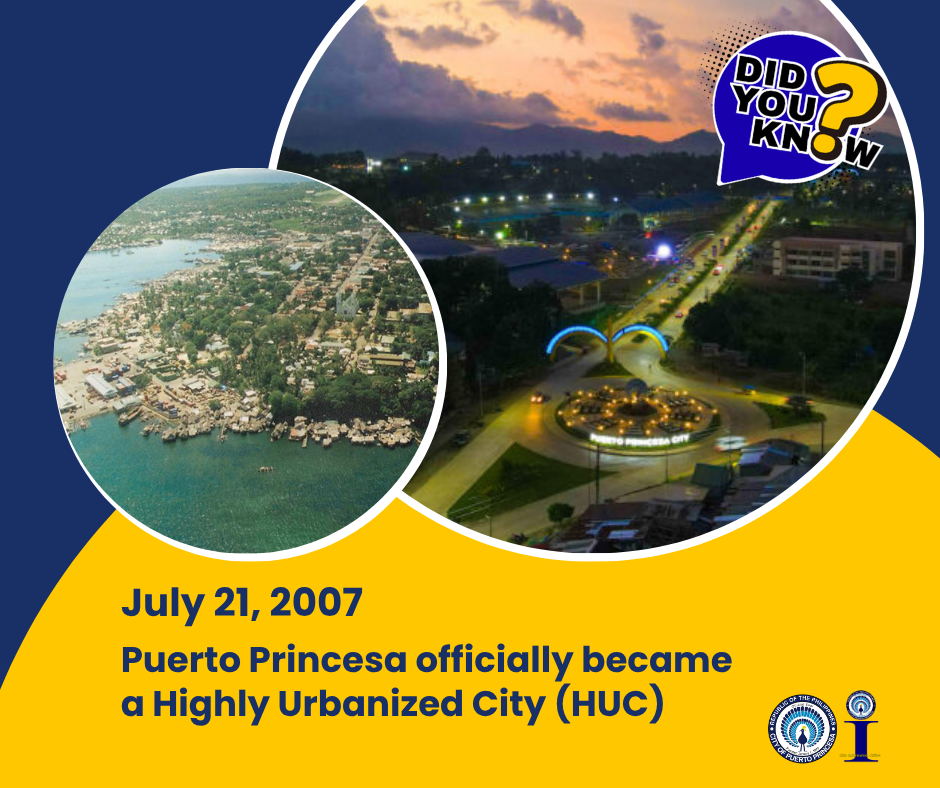
On 𝐉𝐮𝐥𝐲 𝟐𝟏, 𝟐𝟎𝟎𝟕, the people of Puerto Princesa made history by ratifying 𝐏𝐫𝐞𝐬𝐢𝐝𝐞𝐧𝐭𝐢𝐚𝐥 𝐏𝐫𝐨𝐜𝐥𝐚𝐦𝐚𝐭𝐢𝐨𝐧 𝐍𝐨. 𝟏𝟐𝟔𝟒 𝐭𝐡𝐫𝐨𝐮𝐠𝐡 𝐚 𝐩𝐥𝐞𝐛𝐢𝐬𝐜𝐢𝐭𝐞, 𝐨𝐟𝐟𝐢𝐜𝐢𝐚𝐥𝐥𝐲 𝐠𝐫𝐚𝐧𝐭𝐢𝐧𝐠 𝐭𝐡𝐞 𝐜𝐢𝐭𝐲 𝐇𝐢𝐠𝐡𝐥𝐲 𝐔𝐫𝐛𝐚𝐧𝐢𝐳𝐞𝐝 𝐂𝐢𝐭𝐲 status. This milestone strengthened the city’s governance, fiscal capacity, and administrative autonomy.
ℍ𝕖𝕣𝕖 𝕒𝕣𝕖 𝕤𝕠𝕞𝕖 𝕗𝕒𝕤𝕔𝕚𝕟𝕒𝕥𝕚𝕟𝕘 𝕗𝕒𝕔𝕥𝕤 𝕒𝕓𝕠𝕦𝕥 ℙ𝕦𝕖𝕣𝕥𝕠 ℙ𝕣𝕚𝕟𝕔𝕖𝕤𝕒:
𝐀𝐝𝐦𝐢𝐧𝐢𝐬𝐭𝐫𝐚𝐭𝐢𝐯𝐞𝐥𝐲 𝐈𝐧𝐝𝐞𝐩𝐞𝐧𝐝𝐞𝐧𝐭
As a Highly Urbanized City, Puerto Princesa operates independently from the Provincial Government of Palawan. The city manages its own governance, taxation, and development programs. Interestingly, despite its independent status, residents are still legally allowed to vote for provincial officials.
𝐓𝐡𝐞 𝐒𝐭𝐨𝐫𝐲 𝐁𝐞𝐡𝐢𝐧𝐝 𝐭𝐡𝐞 𝐍𝐚𝐦𝐞
A popular legend tells of a mysterious princess-like maiden who appeared along the city’s trails on moonlit nights. However, historical records indicate that Spanish colonizers named the settlement after Princess Asunción, daughter of Queen Isabella II of Spain.
𝐀 𝐍𝐚𝐭𝐮𝐫𝐚𝐥𝐥𝐲 𝐏𝐫𝐨𝐭𝐞𝐜𝐭𝐞𝐝 𝐂𝐢𝐭𝐲
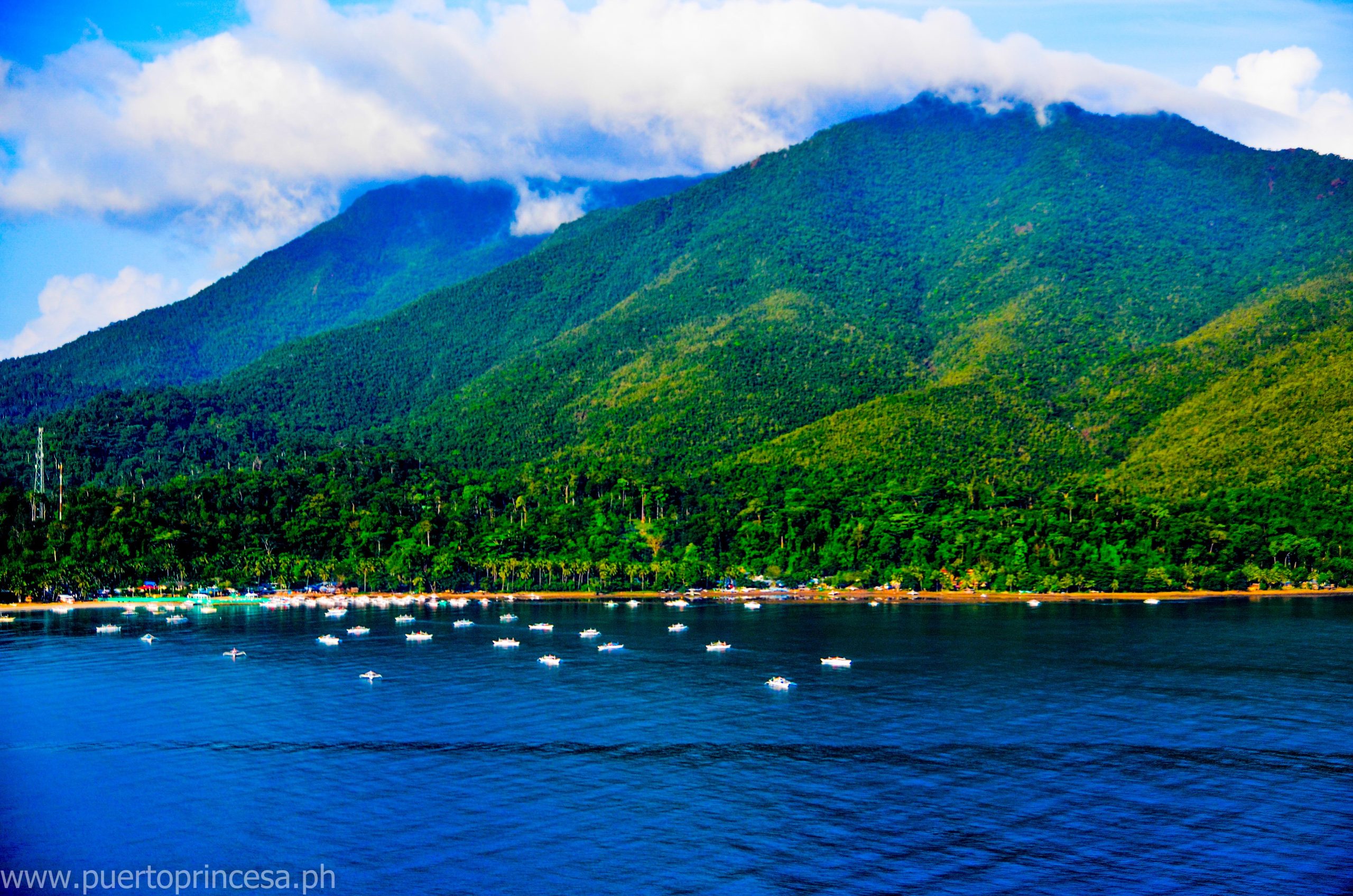
Puerto Princesa enjoys a unique geographic location within Palawan that provides natural protection from the paths of most tropical cyclones, making it one of the country’s least typhoon-affected cities.
𝐇𝐨𝐦𝐞 𝐭𝐨 𝐚 𝐖𝐨𝐫𝐥𝐝-𝐂𝐥𝐚𝐬𝐬 𝐍𝐚𝐭𝐮𝐫𝐚𝐥 𝐖𝐨𝐧𝐝𝐞𝐫
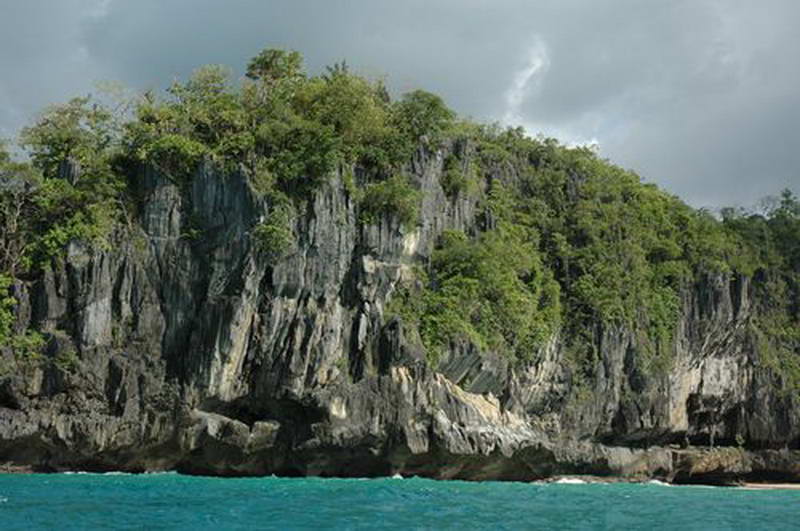
The Puerto Princesa Subterranean River National Park is home to the spectacular world’s largest cave chambers, measuring approximately 360 meters long and 140 meters wide.
𝐏𝐮𝐞𝐫𝐭𝐨 𝐏𝐫𝐢𝐧𝐜𝐞𝐬𝐚 𝐜𝐨𝐧𝐭𝐢𝐧𝐮𝐞𝐬 𝐭𝐨 𝐬𝐭𝐚𝐧𝐝 𝐨𝐮𝐭—𝐧𝐨𝐭 𝐨𝐧𝐥𝐲 𝐟𝐨𝐫 𝐢𝐭𝐬 𝐫𝐢𝐜𝐡 𝐡𝐢𝐬𝐭𝐨𝐫𝐲 𝐚𝐧𝐝 𝐮𝐧𝐢𝐪𝐮𝐞 𝐠𝐨𝐯𝐞𝐫𝐧𝐚𝐧𝐜𝐞, 𝐛𝐮𝐭 𝐚𝐥𝐬𝐨 𝐟𝐨𝐫 𝐢𝐭𝐬 𝐫𝐞𝐦𝐚𝐫𝐤𝐚𝐛𝐥𝐞 𝐧𝐚𝐭𝐮𝐫𝐚𝐥 𝐡𝐞𝐫𝐢𝐭𝐚𝐠𝐞 𝐚𝐧𝐝 𝐫𝐞𝐬𝐢𝐥𝐢𝐞𝐧𝐜𝐞.
ℕ𝕆𝕎 𝕐𝕆𝕌 𝕂ℕ𝕆𝕎! 🤓 #DidYouKnow #PuertoPrincesaCity